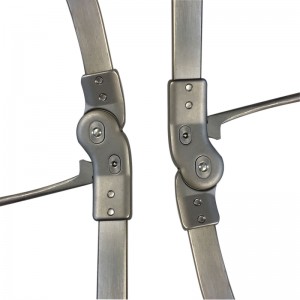
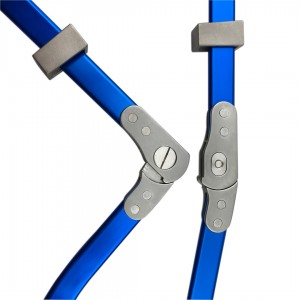
1. Single-axis structure: stable, reliable, and easy to use
Simple and durable design: the single-axis mechanism moves around a single rotational axis, featuring fewer components, low failure rate, reduced maintenance costs, and extended service life.
Low learning curve: intuitive motion logic allows users to quickly adapt to gait control without complex training.
Wide adaptability: requires moderate residual limb control ability, suitable for users with K2-K3 activity levels.
2. Pneumatic control: natural gait, comfortable and energy-efficient
Adjustable damping for various walking speeds: the pneumatic system enables adjustable resistance during flexion and extension, supporting diverse gaits from slow to fast walking, ensuring smoother swing phase control and minimizing jerky movements.
Lightweight and low power consumption: compared to hydraulic joints, the pneumatic structure is lighter, reducing user burden and fatigue during prolonged use.
Excellent temperature adaptability: less affected by temperature changes, with significantly smaller damping variations in cold environments than hydraulic joints, offering superior stability.
3. High cost-performance ratio and easy maintenance
Lower cost than multi-axis hydraulic or smart joints, while still providing essential dynamic control capabilities—ideal for users with moderate budgets.
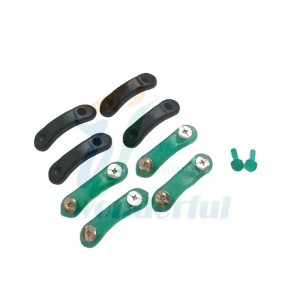
Simple structural design with easily replaceable wear parts such as seals, making long-term maintenance convenient and hassle-free.